London, United Kingdom · Where to stay
The 6 Best London Neighborhoods for Solo Travelers and Couples
From theatre-filled evenings to riverside dates and independent exploring, these six bases offer very different London trips. Choose around your plans, your evenings and the hotel’s exact address—not a blanket “best area” ranking.
By SmartVoyage · Published
Quick takeaway
- Best first-visit all-rounder: Covent Garden for theatres, restaurants and a central base; Bloomsbury if you prefer museum days and less nightlife on your doorstep.
- Best for couples: South Bank for riverside evenings, or South Kensington for museums, garden walks and a more residential-feeling base.
- Best for sociable solo evenings: Soho for entertainment, or Shoreditch and Spitalfields for markets, food and creative nightlife. Choose your street carefully if sleep matters.
These are editorial recommendations, not safety rankings or promises of hotel price, quality or quietness.
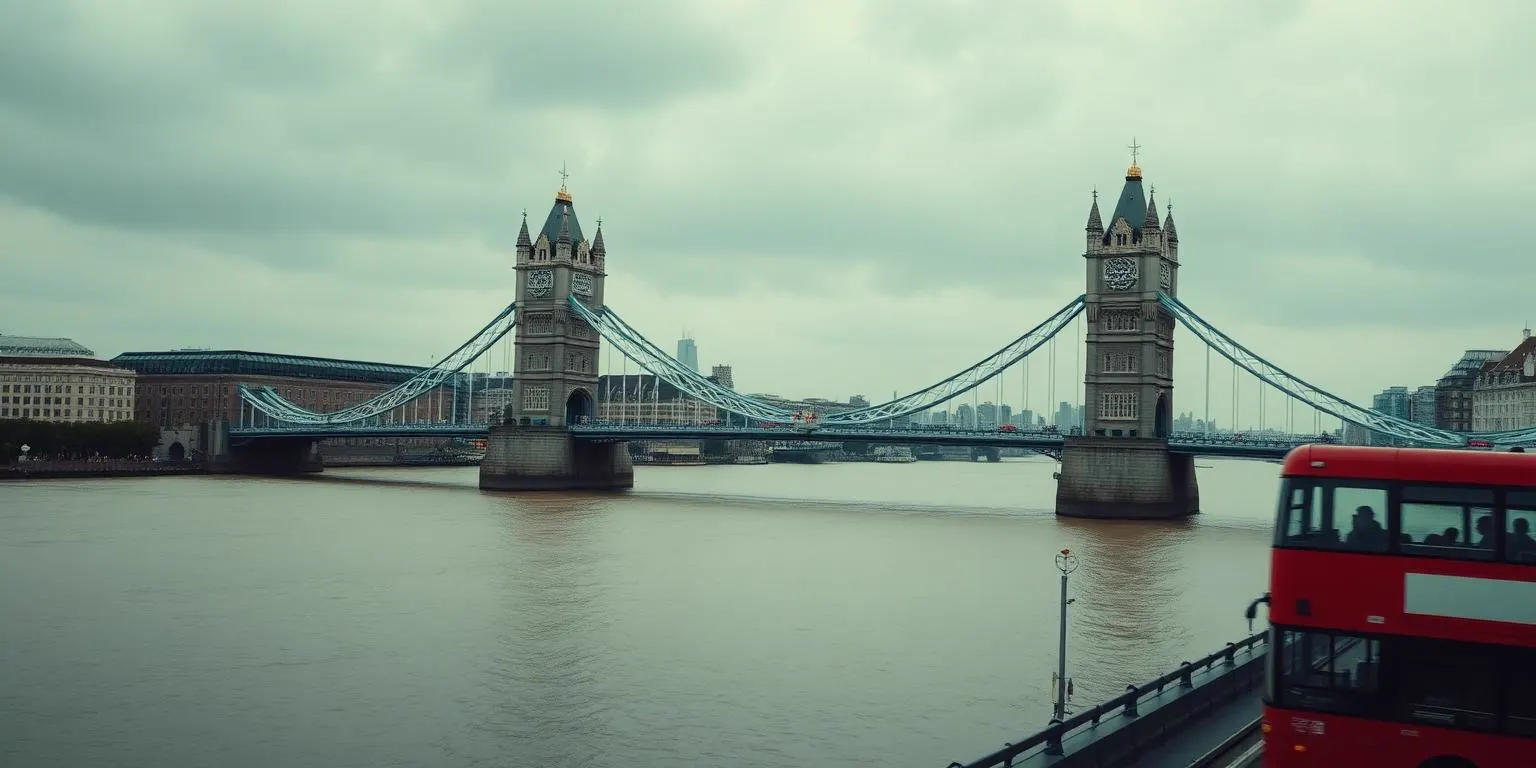
Compare the six London neighborhoods
London does not have one perfect hotel district. For a short first visit, staying near the things you want to do in the evening can be more useful than sleeping beside the first attraction on your sightseeing list. You can cross town for a museum; returning from dinner or a show is nicer when the journey home is straightforward.
This shortlist balances central sightseeing, cultural days and sociable evenings. It is not a ranking of safety or hotel quality. Prices vary with dates, events, room type and cancellation terms, so the comparisons below describe trade-offs rather than quote unverified rates.
| Neighborhood | Best fit | Solo-traveler appeal | Couples appeal | Main trade-off | Useful transport starting points |
|---|---|---|---|---|---|
| Covent Garden | A first visit with theatre and central sightseeing | Plenty to explore and eat without planning every evening | Shows, dinners and atmospheric streets | Busy visitor areas; inspect the room’s position | Covent Garden, Leicester Square, Charing Cross |
| Soho | Nightlife, food and entertainment | Sociable evening options and independent exploring | Dinner-and-show trips and late evenings | Noise near bars and late-opening venues | Tottenham Court Road, Oxford Circus, Piccadilly Circus |
| South Bank / Waterloo | Riverside culture and major sights | A clear sightseeing spine along the river | Riverside walks and cultural date nights | Attraction crowds; Waterloo is a large station | Waterloo, Southwark, Westminster across the river |
| Bloomsbury | Museums, books and a gentler pace | Museum days, cafés and squares | Unhurried mornings and literary atmosphere | Less nightlife on the doorstep | Russell Square, Holborn, Tottenham Court Road |
| South Kensington | Museums and garden walks | Easy-to-group cultural visits | Museums, cafés and nearby park outings | Less convenient for repeated East London nights | South Kensington, Gloucester Road |
| Shoreditch / Spitalfields | Markets, street art and creative nightlife | Independent shops, food and evening venues | Market browsing and informal food-focused dates | A broad area; station access and noise vary | Liverpool Street, Shoreditch High Street, Old Street |
The stations are search starting points, not interchangeable hotel locations. Look up the entrance you will use and the actual walk to the property before booking.
1. Covent Garden: the first-visit all-rounder
Why choose it?
Covent Garden brings together the historic market, street performers, restaurants, shops and West End theatres. The Royal Ballet and Opera and London Transport Museum add cultural options, while Seven Dials and Neal’s Yard give you smaller streets to explore away from the main piazza.
It is our editorial starting point for a first London trip when you want varied sightseeing and evenings that do not require a long ride back. Its strength is flexibility: a museum visit, shopping and a performance can all fit into the same stay without making nightlife the whole point of the trip.
For solo travelers
Plan one anchor activity—a museum visit, a show or a walking tour—then leave room for browsing and dinner. If a particular restaurant matters, check its booking policy instead of assuming a solo seat will be available. For theatre, compare the official venue’s seat map: the cheapest ticket may have a restricted view.
For couples
This is an appealing base for a dinner-and-theatre break. Choose a meal time that leaves a comfortable margin before the performance, and keep your first evening flexible if you are arriving that day. Seven Dials and the surrounding streets can make a pleasant daytime wander between booked activities.
Hotel-search advice
Compare the exact address with Covent Garden, Leicester Square and Charing Cross routes rather than insisting on one station. Do not infer step-free access from a hotel’s “near the Tube” description. Check station accessibility separately, and ask for a room away from busy streets if noise is a concern.
Choose somewhere else if: your priority is a residential-feeling retreat or you expect most evenings to be in East London.
2. Soho: lively evenings on your doorstep
Why choose it?
Soho is a West End district with restaurants, theatres, nightlife and a significant LGBTQ+ cultural presence. Carnaby Street, Chinatown and Soho Square give you different reasons to explore during the day, too. Its appeal is the concentration of options, not a promise that every street is quiet or every venue suits every visitor.
For solo travelers
Soho can work well if you enjoy deciding on dinner or entertainment as the evening unfolds. Pick venues around your interests—a performance, a music event or a meal—rather than feeling that a solo trip has to mean a late night. Reserve popular experiences when they matter to you, and decide how you will get back before heading out.
For couples
Choose Soho for an energetic city break with dinners and shows. If one person prefers early nights, compromise on a hotel at the edge of the activity rather than directly above it. A room’s floor, window insulation and position can matter more than a broad neighborhood label.
Hotel-search advice
Map the property against Tottenham Court Road, Oxford Circus or Piccadilly Circus, depending on your plans. Recent reviews mentioning street noise, deliveries and ventilation are more useful than a vague “central location” score. Ask whether your booked room category faces the street or an internal area; do not assume a request is guaranteed.
Choose somewhere else if: uninterrupted sleep is your top priority and you cannot verify the room’s noise exposure.
3. South Bank and Waterloo: riverside days and date nights
Why choose it?
South Bank combines riverside walking with the London Eye, Southbank Centre, National Theatre and BFI. Waterloo is a major transport connection nearby. The area makes sense when you want to group cultural visits and river views, rather than bounce between distant attractions throughout the day.
Treat South Bank and Waterloo as neighboring search areas, not a single doorstep location. A riverside property and one beyond Waterloo station can produce quite different walks home.
For solo travelers
The river provides an easy organizing line for a sightseeing day. Pair one booked attraction or exhibition with time to explore, and keep an indoor option for wet weather. A film screening or theatre performance can give your evening structure without requiring a group.
For couples
A riverside walk followed by dinner or a performance is a natural date-night combination. Book the experience you care about most and leave room around it; trying to fit a major attraction, a long meal and a show into one tight evening is more stress than romance. Outdoor plans still depend on the weather.
Hotel-search advice
Check the route from the actual Waterloo exit to your accommodation. Large stations, roads and railway infrastructure can make an address look closer on a map than it feels with luggage. If your plans involve crossing the river, compare the relevant bridge and station connections rather than measuring a straight line.
Choose somewhere else if: you want the main West End dining and nightlife streets directly outside your hotel.
4. Bloomsbury: museums, books and a gentler base
Why choose it?
Bloomsbury is associated with museums, universities, literary history and garden squares. The British Museum is the major draw, but the area's appeal is also its streets and smaller cultural stops. Compared with Soho’s entertainment core, it can suit a trip organized around daytime exploring rather than late nights.
“Gentler” is an editorial description, not a guarantee of silence. Main roads, busy buildings and individual hotel layouts still affect your stay.
For solo travelers
Bloomsbury is a useful match for museum-focused days and independent browsing. Give the British Museum a realistic amount of time instead of treating it as a quick stop between several other big sights. Check its official visit information for entry arrangements and any exhibitions that need separate tickets.
For couples
Choose it for unhurried mornings, cafés and cultural visits, especially if you like going out for dinner without sleeping in the nightlife core. Plan an evening elsewhere when you want more entertainment, then check the return route before booking tickets.
Hotel-search advice
Compare Russell Square, Holborn and Tottenham Court Road access against your actual itinerary. In older buildings, verify lift access, the room’s floor, bathroom arrangements and air conditioning if those matter to you. A “double room” description alone does not tell you the bed dimensions or how much space there is for two suitcases.
Choose somewhere else if: most of your trip revolves around late-night venues and you want to walk straight home from them.
5. South Kensington: museums and garden walks
Why choose it?
South Kensington is a cultural base for the Victoria and Albert Museum, Natural History Museum and Science Museum, with opportunities to explore nearby Kensington and its green spaces. It appeals to travelers who would rather group museum visits than make multiple cross-city trips to the same quarter.
Do not assume that all museum exhibitions are free or that you can enter without planning. Check each institution’s official admission and booking guidance for the date and experience you want.
For solo travelers
It works particularly well if you enjoy setting your own pace in museums. Pick one major collection to explore properly, then keep another visit optional. Museums can also provide a useful weather alternative, but timed entry or special exhibitions may need advance arrangements.
For couples
Combine a museum with a café stop and a park outing rather than scheduling a full day of indoor collections unless you both enjoy that. This is a strong fit for a cultural break with quieter-feeling evenings; it is less practical if you plan to spend every night around Shoreditch.
Hotel-search advice
South Kensington and Gloucester Road are sensible places to start comparing routes. Look at the walk from the station entrance, not just the neighborhood name. Check stairs and lifts at both the station and the hotel, particularly if you are arriving with heavy luggage.
Choose somewhere else if: East London markets and nightlife dominate your plans and you want to minimize journeys home.
6. Shoreditch and Spitalfields: markets and creative energy
Why choose it?
This East London pairing brings together street art, independent shops, food and nightlife. Old Spitalfields Market, Brick Lane and the streets around Shoreditch and Hoxton give you a different experience from the West End’s theatre-and-landmark circuit.
The combined name covers a broad area. A property close to Liverpool Street is not the same base as one toward Hoxton or farther along Brick Lane. The right choice depends on whether you value transport connections, market browsing or late-night venues most.
For solo travelers
Choose it if food, design, markets and independent exploring are central to your trip. Check market trading days and individual stall hours before building a day around them. A guided walk or a booked cultural event can be a good way to add structure, without assuming every market or venue will be lively whenever you arrive.
For couples
It suits informal dates built around browsing, coffee and food rather than a traditional landmark checklist. Keep meals flexible unless a particular restaurant is important, and separate your hotel choice from your nightlife choice if one of you sleeps lightly.
Hotel-search advice
Compare the exact address with Liverpool Street, Shoreditch High Street and Old Street. These stations serve different routes; Shoreditch High Street is on the London Overground, not the Underground. Read recent reviews for nearby bars, music and street noise, and map your late-evening walk before booking.
Choose somewhere else if: your short first visit is mostly Westminster, West End theatre and the South Kensington museums, and you prefer to stay close to that circuit.
Which neighborhood suits your trip best?
| Your priority | Start your shortlist here | What to check before choosing |
|---|---|---|
| First solo London visit with varied sightseeing | Covent Garden or Bloomsbury | Evening plans, exact station access and room setup |
| Theatre-focused couples break | Covent Garden or Soho | Performance times, dinner reservations and noise |
| Riverside walks and cultural dates | South Bank / Waterloo | Walking route, weather alternatives and venue bookings |
| Museums and unhurried days | South Kensington or Bloomsbury | Admission arrangements and journeys to your other sights |
| Markets, street art and lively evenings | Shoreditch / Spitalfields | Market schedules, nearest station and late return route |
| Sleep matters more than nightlife | A carefully checked room in Bloomsbury or South Kensington | Recent room-specific reviews; neither area guarantees quiet |
For a short stay, choose one base instead of moving hotels just to experience a second neighborhood. Explore the others during the day or evening. On a longer trip, reconsider only if changing location meaningfully helps your plans—not because a list says you must stay in several areas.
Getting around London and choosing an airport route
Check the whole journey
Choose accommodation around your sightseeing and evenings first, then compare the airport transfer. London has several airports and very different arrival routes. A hotel convenient for Heathrow is not automatically convenient for Gatwick or Stansted.
| Arrival consideration | Practical planning advice |
|---|---|
| Heathrow | Compare the Piccadilly line and Elizabeth line for your terminal, hotel and arrival time. The Elizabeth line serves central stops including Tottenham Court Road and Liverpool Street, but Heathrow terminal patterns differ. |
| Gatwick | Compare the rail route to your hotel’s side of London. Connections include stations such as Victoria, London Bridge, Farringdon and St Pancras; check the actual service and any onward transfer. |
| Other London airports | Use the airport-specific route rather than copying a Heathrow plan. Confirm the final connection and what still runs at your arrival time. |
| Heavy luggage or access needs | Check step-free access, lift status, station entrances and the last walk to the hotel. Fewer changes can be worth more than the shortest advertised journey. |
| Late arrival | Confirm both transport and hotel check-in arrangements, and keep a practical backup if the flight is delayed. |
Use the TfL airport connections guide and Journey Planner for your dates. This article deliberately does not quote fixed fares or travel times: the route, service and ticket can change the answer.
Do not assume the Tube runs all night
Night Tube services operate on selected lines on Friday and Saturday nights, not across the entire network every night. Check TfL’s current Night Tube information and live service status for your particular journey. For other evenings, plan the available public transport or use a licensed taxi or a minicab booked through a recognized operator.
Solo safety and shared peace of mind
None of these neighborhoods is risk-free, and we do not label one “the safest” without comparable evidence. Use the same practical habits throughout London: keep valuables secure in crowds, stay aware of your surroundings, and decide on a route home before a late evening. The Metropolitan Police’s visitor advice is a useful starting point.
For a solo stay, check reception or self-check-in arrangements and share your plans with someone you trust if helpful. For couples, agree on the return plan and a meeting point if you become separated. A central postcode is no substitute for checking a specific property's access and recent reviews.
A hotel-booking checklist for solo travelers and couples
- List your evening priorities. Theatre, river views, museums and nightlife point to different bases. Choose around what you will actually do.
- Map the exact address. Check the station, exit, walk and any stairs—not just “central London” in the listing.
- Compare like-for-like totals. Use the same dates, guest count, room type, breakfast terms and cancellation policy. This guide does not quote live hotel prices.
- Check the room, not just the building. Solo travelers should compare single and double occupancy totals. Couples should confirm double versus twin beds, room size and bathroom privacy.
- Look for recent, specific reviews. Noise, cleanliness, temperature and check-in comments are more useful than a neighborhood's reputation alone.
- Protect your sleep. Ask about street-facing rooms, nearby venues and ventilation. Requests may depend on availability, so confirm any essential requirement before paying.
- Plan arrival and departure. Check late check-in, luggage storage, the airport route and early-morning services if your flight requires them.
- Keep bookings flexible where it matters. Read the cancellation deadline and payment terms carefully, especially before your travel plans are settled.
Sources and planning notes
Neighborhood descriptions are grounded in Visit London’s destination guides; transport guidance uses TfL; general safety advice uses the Metropolitan Police. The recommendations for different travel styles are SmartVoyage’s editorial judgment, not endorsements of individual hotels or guarantees of conditions.
- Visit London: Covent Garden
- Visit London: Soho
- Visit London: South Bank and Waterloo
- Visit London: Bloomsbury
- Visit London: Kensington and South Kensington
- Visit London: Shoreditch and Hoxton
- Visit London: Spitalfields
- TfL: Heathrow on the Elizabeth line
- TfL: Accessible journey planning
Check official venue and transport information again shortly before travel. Opening arrangements, exhibitions, service disruptions and market schedules can change.
Turn your London shortlist into a trip
Start with our ready-made three-day London itinerary, or build a personal plan around your dates, budget and travel style—whether you are exploring solo or traveling as a couple. Your Booking & Access Hub brings hotel searches and attraction ticket links into the plan.
Meet the SmartVoyage AI travel planner