Rome, Italy · Where to stay
Where to Stay in Rome to Walk to Everything (Without Paying Luxury Prices)
Choose a base that makes Rome enjoyable on foot without assuming you need a luxury hotel—or that every sight must be a short walk away. Here is how to compare neighborhoods, room details and the real cost of your stay.
By SmartVoyage · Published
Quick takeaway
- Best first shortlist: Compare the Pantheon / Piazza Navona and Campo de’ Fiori surroundings for a mostly on-foot historic-center stay. Look beyond landmark-facing rooms.
- Choose around your priorities: Monti suits ancient-Rome days; Prati suits Vatican-focused visits. Trastevere is an evening-oriented choice, while Termini prioritizes transport.
- Value without false promises: No area guarantees cheap rooms or walking access to every sight. Compare final totals, room essentials and transport needs for your dates.
These are editorial recommendations, not safety rankings or promises of hotel price, quality or quietness.
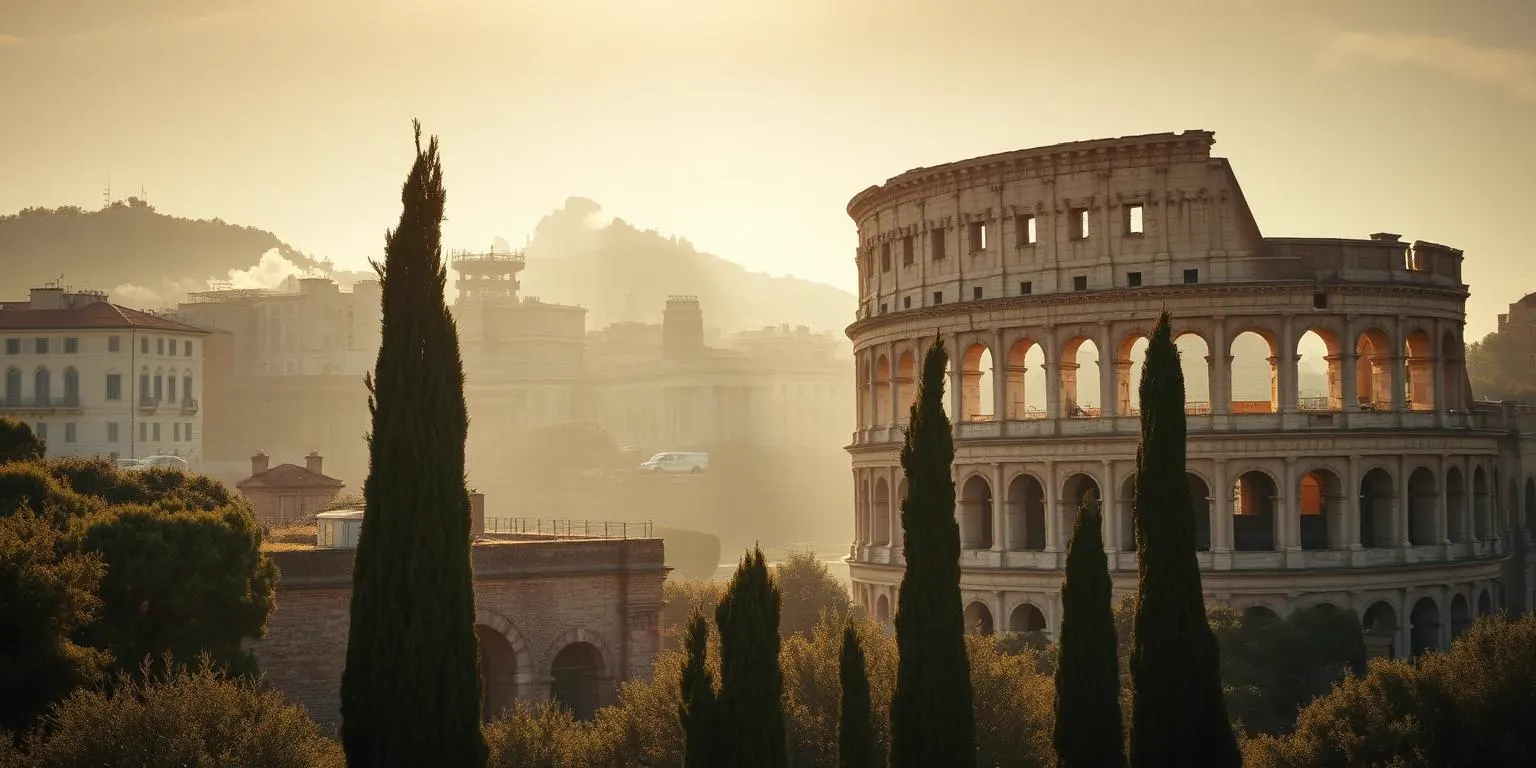
What “walk to everything” really means in Rome
Rome rewards walking, but no single hotel puts every major attraction on your doorstep. The Vatican, Colosseum, historic-center squares and several important museums sit in different clusters. Add cobbled streets, slopes, summer heat and a full museum day, and the shortest route on a map may not be the easiest one in practice.
The sensible goal is to walk to most of your daily sights and meals, with an occasional bus, Metro or taxi when it saves energy. You can enjoy a central stay without booking a luxury property, but no neighborhood guarantees a low rate. Compare the actual room and total price for your dates, not a district’s reputation.
Compare Rome’s most useful bases
| Area | Best reason to stay | Sights that suit a local walking day | Main compromise | Value-minded search approach |
|---|---|---|---|---|
| Pantheon / Piazza Navona | A central base for a varied first visit | Pantheon, Navona, nearby historic streets and squares | Popular addresses and busy visitor routes; not every stay has easy Metro access | Look on neighboring side streets and compare smaller properties, not only landmark-facing rooms |
| Campo de’ Fiori / Jewish quarter | Historic-center wandering and meals near your base | Campo de’ Fiori, Jewish quarter, river crossings and central sights | Nightlife noise varies; transport is address-dependent | Compare quiet room positions and nearby streets rather than paying for a famous square |
| Monti | Ancient Rome plus neighborhood time | Colosseum / Forum area and Monti’s streets | Slopes and cobbles; Vatican visits need a separate plan | Compare guesthouses and straightforward rooms near the routes you need |
| Lower Trastevere | Evening atmosphere and river-side exploring | Santa Maria in Trastevere, local lanes and crossings toward the historic center | Not a central Metro base; nightlife and cobbles affect some stays | Check the exact street and room noise before choosing on charm alone |
| Prati / Ottaviano | Vatican-focused days and practical streets | Vatican visits and, depending on the address, Castel Sant’Angelo | Ancient Rome is farther away | Compare ordinary side-street properties with your Metro and walking needs |
| Termini / Castro Pretorio | Arrival, departure and transport convenience | Station-area sights and outings planned with transport | Not the best base for walking to every central sight | Calculate the whole-trip cost, including time and transport, before calling it a bargain |
These are editorial search strategies, not verified hotel deals or safety rankings. Boundaries are informal; the full accommodation address is the deciding detail.
1. Pantheon and Piazza Navona: the strongest all-round walking shortlist
Why stay here?
For a short first visit, the area around the Pantheon and Piazza Navona is a useful starting point because several historic-center sights and dining streets can be grouped into natural walking days. You can spend time between attractions without returning to transport after every stop.
This does not make the Vatican and Colosseum equally close to every property. It means you are choosing a central compromise, rather than optimizing for just one landmark. Plan those bigger visits as separate clusters and leave time for meals and breaks.
How to look for value
Do not limit your search to hotels overlooking a famous square. Compare nearby side streets, smaller hotels and guesthouses with clear room descriptions. A modest room in a useful location may suit you better than a larger room farther away—but only if its actual price, facilities and reviews support that choice.
Historic buildings can come with stairs, compact bathrooms or limited reception hours. Confirm lift access, air conditioning, the room’s floor and check-in arrangements. A central address is not a reason to overlook a room that does not meet your needs.
Choose it if: you want a varied first Rome visit and expect to do much of the historic center on foot.
Think twice if: step-free station access or a direct, simple luggage transfer is your highest priority. Check the full arrival journey before booking.
2. Campo de’ Fiori and the Jewish quarter: historic streets with practical trade-offs
Why stay here?
This part of the historic center suits visitors who want their evenings to include nearby meals and wandering rather than a journey back from a distant district. Campo de’ Fiori and the Jewish quarter are distinct nearby areas, not one identical hotel location. The river adds options for exploring toward Trastevere, depending on your address and bridge route.
The Jewish quarter has a specific cultural and historical identity; approach it as more than a restaurant stop. Build time for its streets and history, and check the official arrangements for any museum or synagogue visit you plan.
How to look for value
Compare rooms on surrounding streets rather than assuming a square-facing stay offers the best experience. Evening venues, deliveries and street activity can affect sleep. Read recent room-specific reviews and ask whether your room faces the street or an internal space.
Be cautious with apartment-style listings: clarify who handles check-in, whether cleaning or other mandatory charges change the total, and what support is available if you arrive late. A lower headline rate is not necessarily a lower final bill.
Choose it if: historic-center walking and meals near your base matter more than being next to a Metro entrance.
Think twice if: you need reliably quiet nights but cannot verify the room’s position and nearby evening activity.
3. Monti: a useful balance for ancient Rome and neighborhood evenings
Why stay here?
Monti is a practical shortlist when the Colosseum and Roman Forum are major priorities, and you also want neighborhood streets, cafés and evening dining. Its proximity to ancient Rome is a benefit, but the district’s hills and exact location still shape your walking day.
Avoid treating “Monti” and “Colosseum view” as interchangeable. A property toward a busy road, one near Cavour and one closer to the archaeological area can have different noise and access conditions. Check the address rather than the label.
How to look for value
Compare smaller hotels and guesthouses on the same dates and room conditions as larger properties. Review bathroom arrangements, room size, breakfast terms and reception hours. Choosing fewer amenities can be sensible if you do not use them; sacrificing essentials such as good sleep or suitable access is a different decision.
Use a map to group an ancient-Rome day, then plan a separate Vatican day with the transport you need. Trying to walk between every large attraction on the same day can leave little energy for the visits themselves.
Choose it if: ancient Rome is central to your trip and you like a neighborhood base rather than a landmark-facing luxury hotel.
Think twice if: hills, cobbles or repeated Vatican visits would make the location inconvenient for your party.
4. Trastevere: choose it for evenings, not a promise of universal walkability
Why stay here?
Trastevere’s lanes, restaurants and the area around Santa Maria in Trastevere make it appealing for visitors who want neighborhood time after sightseeing. Lower Trastevere can work for walks over the river into parts of the historic center, but it is not the same base as accommodation farther uphill or toward the railway station.
The name “Roma Trastevere” on a station or listing does not mean you are beside the central neighborhood streets you have seen in photographs. Check the walk from the property to your intended sights and evening area.
How to look for value
Judge the room as carefully as the atmosphere. Properties near late-opening venues may not suit light sleepers. Ask about window insulation, air conditioning and street-facing rooms, and read recent reviews for the precise issues that matter to you.
For a short first visit, compare Trastevere with a historic-center property rather than assuming it will be cheaper. Include journeys to the Vatican and ancient Rome, luggage access and the time spent returning home. Walking across the river is a normal option, not a requirement for every outing.
Choose it if: your ideal Rome trip includes relaxed meals and neighborhood evenings, with occasional transport for farther sights.
Think twice if: you expect immediate Metro access or want every big attraction within a short walk.
5. Prati and Ottaviano: a strong option when the Vatican is a priority
Why stay here?
Prati offers a different base from the tight lanes of the historic center. Search around Ottaviano when Vatican visits and Metro connections fit your plans, or compare locations nearer the river if Castel Sant’Angelo and walks toward the center are priorities.
The Vatican Museums entrance and the approach to St Peter’s Basilica are different destinations. Map the entrance you need for your booked visit; “near the Vatican” does not answer which walk is convenient.
How to look for value
Compare ordinary side-street hotels and guesthouses against similar historic-center rooms. Do not assume the district is cheaper, quieter or more accessible in every case. Check the building’s entrance, lift, room facilities and actual route to the station.
For a Vatican-heavy stay, this base can reduce repeated cross-city journeys. For a trip centered on the Colosseum and evenings in Monti, that benefit may disappear. Choose around the itinerary you want, not one headline attraction.
Choose it if: the Vatican is a major focus and you are happy to use transport for some ancient-Rome outings.
Think twice if: most evenings will be south or east of the historic center and you prefer a short walk home.
6. Termini and Castro Pretorio: transport value, not “walk everywhere” value
Why consider it?
Termini is a major rail and urban transport hub, which can make sense for late arrivals, early departures or a trip with rail excursions. Castro Pretorio is a nearby area worth comparing by full address rather than treating everything around the station as one environment.
This is a practical alternative, not our first shortlist for walking to most historic-center attractions. A room that saves money but adds repeated travel may still be worthwhile—but calculate that trade-off honestly.
How to look for value
Check the exact station exit, the walk with luggage, reception hours and recent reviews. Station proximity does not establish either room quality or neighborhood safety. Use normal city precautions, keep belongings secure in crowds and plan your route after a late arrival.
Compare the stay total with a more central option. If you will spend more on journeys, give up sightseeing time or need a taxi after late evenings, the cheapest nightly rate may not deliver the best overall value.
Choose it if: arrival, departure and rail connections matter more than walking to most major sights.
Think twice if: the primary reason for your trip is a compact, mostly on-foot historic-center experience.
Match the base to the days you want
| Your priorities | Start your search here | What to plan separately |
|---|---|---|
| First visit with varied central sights | Pantheon / Navona or Campo de’ Fiori surroundings | Vatican and ancient-Rome clusters, with transport when helpful |
| Colosseum, Forum and nearby evenings | Monti | A Vatican day rather than a city-wide walking marathon |
| Vatican-focused trip | Prati / Ottaviano | Ancient Rome and dinners farther from your base |
| Neighborhood dining and slower evenings | Carefully located lower Trastevere | Arrival route and journeys to farther sights |
| Early train or repeated rail outings | Termini / Castro Pretorio | Historic-center days using appropriate transport |
| Children, mobility needs or heavy luggage | A verified suitable property, whatever the district | Step-free access, gradients, rest stops and realistic walking limits |
For two or three nights, avoid moving hotels just to stay in two neighborhoods. Explore the other areas on a day or evening outing. One well-chosen room usually makes a short trip simpler than packing, checking out and arranging luggage storage halfway through.
How to reduce the bill without giving up a useful location
Compare the same thing
Use identical dates, guest count, bed arrangements and cancellation terms. Check whether breakfast, mandatory fees and Rome’s tourist accommodation tax are included in the displayed total or payable separately. Rates and exemptions depend on the accommodation and guest circumstances; confirm the current charge with the property and official city guidance rather than relying on a fixed amount from an old article.
This guide quotes no live hotel rates. No neighborhood here is guaranteed to cost less than another, and a smaller property is not automatically a bargain.
Give up extras, not essentials
A landmark view, rooftop facilities or a large lobby may not improve a trip where you spend most days exploring. Consider a simpler room if it still has the bed, bathroom, temperature control and access you need. Confirm whether a “private bathroom” is inside the room and whether any room photographs represent your booked category.
Check surrounding streets and flexible dates
Widen your search beyond a famous square while keeping a manageable walking route to your priorities. If your schedule allows, compare alternative dates directly; do not assume any season or weekday is always cheaper. Events and demand can change the result.
Count time and transport in the value calculation
| Apparent saving | What might cancel it out | Better comparison |
|---|---|---|
| Lower room rate farther away | Extra journeys, late taxis and less time exploring | Whole-stay room total plus realistic transport needs |
| Cheap room without cooling that suits you | Poor rest during hot weather | Facilities matched to the season and your own comfort needs |
| Breakfast excluded | Extra expense or inconvenient mornings | Same meal arrangements across listings |
| Non-refundable discount | Loss if travel plans change | Compare the saving with the risk you can accept |
| Apartment headline rate | Cleaning, check-in or other mandatory charges | Final payable amount and arrival support |
For a solo traveler, compare single and double occupancy rather than assuming one person pays half. Couples should confirm double versus twin beds. Families need verified occupancy and bedding arrangements, not just a property described as “family-friendly.”
Walking well: routes, breaks and realistic sightseeing
Group sights instead of crossing the city repeatedly
Build a historic-center day around nearby squares and streets, an ancient-Rome day around the archaeological area, and a Vatican day around your booked visits. Include meals and breaks in each cluster. A hotel’s centrality helps, but a poorly grouped itinerary can still create unnecessary travel.
Book major visits through the official attraction source where appropriate, and check entrance instructions. The Vatican Museums, St Peter’s Basilica and Colosseum visits have different arrangements; a nearby address does not remove queues or entry requirements.
Plan for the surface and the season
Cobbles, uneven paving and slopes can make a walking route harder than its distance suggests. Wear suitable shoes, allow rest stops and check alternative routes for a stroller or mobility aid. In hot weather, shift strenuous walking away from the hottest part of the day when possible and keep an indoor or transport alternative.
Do not make “walking everywhere” a test you have to pass. A sensible bus, Metro or taxi journey can improve the day, particularly after a long museum visit or with children. Check current services with ATAC before relying on a route.
Airport and station arrivals: check the last part of the journey
Fiumicino and Ciampino have different access options. For Fiumicino, compare the Leonardo Express to Termini with other official airport rail or road options for your actual accommodation. For Ciampino, use the airport’s own access guidance rather than copying a Fiumicino itinerary.
Termini convenience is useful, but it is not a reason to choose the station area if the rest of your stay would suit the historic center better. Check the whole journey: terminal, transport stop, onward connection and the final walk with luggage. Confirm hotel reception hours if the flight arrives late.
Use Rome Airports and Trenitalia for current airport rail arrangements and tickets. This article avoids fixed fares and journey times because they depend on the service and travel date.
If using a taxi, follow official airport guidance and confirm which fare rules apply to your destination. Do not assume that every property advertised as “Rome” falls inside the same airport fare area. Historic-center streets can also affect where a vehicle can stop, so ask the accommodation about practical drop-off access.
Before booking: a practical checklist
- Mark your top sights and evening plans. Choose a base around repeated journeys, not just one postcard landmark.
- Map the full address. Check the real neighborhood, entrance and last walk from transport.
- Inspect room details. Confirm bed type, bathroom, cooling, room size and the floor you will stay on.
- Verify access. Ask about steps before the lift, narrow stairways and any requirements important to your party.
- Read recent reviews for sleep and arrival. Street-facing noise and limited reception can matter more than decorative photos.
- Compare the final total. Include tax and mandatory charges; check what is paid now and what is paid locally.
- Match cancellation terms. A cheaper non-refundable room is not equivalent to a flexible booking.
- Keep a transport backup. Walking should be an enjoyable option, not the only way your itinerary can work.
The verdict: central and simple beats a luxury postcode
For a mostly on-foot first visit, begin around the Pantheon / Piazza Navona or Campo de’ Fiori surroundings. Compare Monti if ancient Rome is your priority, and Prati if the Vatican dominates your plans. Choose Trastevere for its evenings with the transport trade-off understood, or Termini when station access genuinely matters more.
The winning room is not necessarily the cheapest or the most famous. It is a clearly described, well-reviewed property with the facilities you need, a manageable walking routine and a final price you can afford. You do not need luxury extras to get that combination—and you do not need to walk every single journey to enjoy Rome on foot.
Sources and planning notes
Area recommendations and value strategies are SmartVoyage’s editorial judgment, not live offers or endorsements of specific hotels. Check official destination, transport and attraction information before travel; availability and final room prices must be verified with the provider.
- Turismo Roma: Navona, Campo de’ Fiori and Pantheon
- Turismo Roma: Jewish quarter and surrounding sights
- Turismo Roma: walking from Termini through Monti to the Imperial Forums
- Turismo Roma: Trastevere and Testaccio
- Turismo Roma: Prati and Vatican area
- ATAC: Rome public transport
- Rome Airports: Fiumicino rail connections
- Rome Airports: Ciampino rail connections
- Roma Capitale: tourist accommodation contribution
- Trenitalia: official rail information
- Vatican Museums: official visit information
- Colosseum Archaeological Park: official visit information
Check admission, opening arrangements and service status shortly before your trip. This article intentionally gives no fixed hotel rates, guaranteed savings or unsupported neighborhood safety rankings.
Turn your Rome shortlist into a trip
Start with our ready-made three-day Rome itinerary, or build a personal plan around your dates, budget, travel style and party. Group your sights into practical days with time for meals and breaks. Your Booking & Access Hub brings hotel searches and attraction ticket links into the plan.
Meet the SmartVoyage AI travel planner