- Is 5 days enough for Cusco and Machu Picchu?
- Yes — five days covers acclimatisation in Cusco, a Sacred Valley day, an overnight in Aguas Calientes and a full visit to the citadel without rushing. It's the shortest trip most travellers find comfortable at altitude; add days if you want the Inca Trail, Rainbow Mountain or more valley towns.
- How do I get to Machu Picchu from Cusco?
- Take a train from Ollantaytambo (or Cusco's Poroy/San Pedro stations on some services) to Aguas Calientes, then a 25-minute shuttle bus up to the entrance — or hike in on the Inca Trail or via Hidroeléctrica if you have extra days. Most visitors do the train and bus; book both in advance.
- What is the best month to visit Machu Picchu?
- May to September for dry, sunny weather and clear views, with June to August the busiest. April and October are excellent compromises with fewer crowds. November to March is greener and quieter but expect heavy afternoon rain and occasional fog over the ruins.
- How much does a 5-day Cusco and Machu Picchu trip cost?
- Roughly US$650–US$1,400 per person excluding flights to Peru, depending on train class, hotels and whether you take a guide. The return train (US$70–160 each way) and citadel entry (about US$40) are the biggest fixed costs.
- Will I get altitude sickness in Cusco?
- At 3,400 metres most people feel some effect — breathlessness, headache or poor sleep — for a day or two. Acclimatise gently, hydrate, avoid alcohol on arrival and consider speaking to your doctor about preventive medication before travelling. Sleeping in the lower Sacred Valley (Ollantaytambo, 2,800 m) helps some travellers.
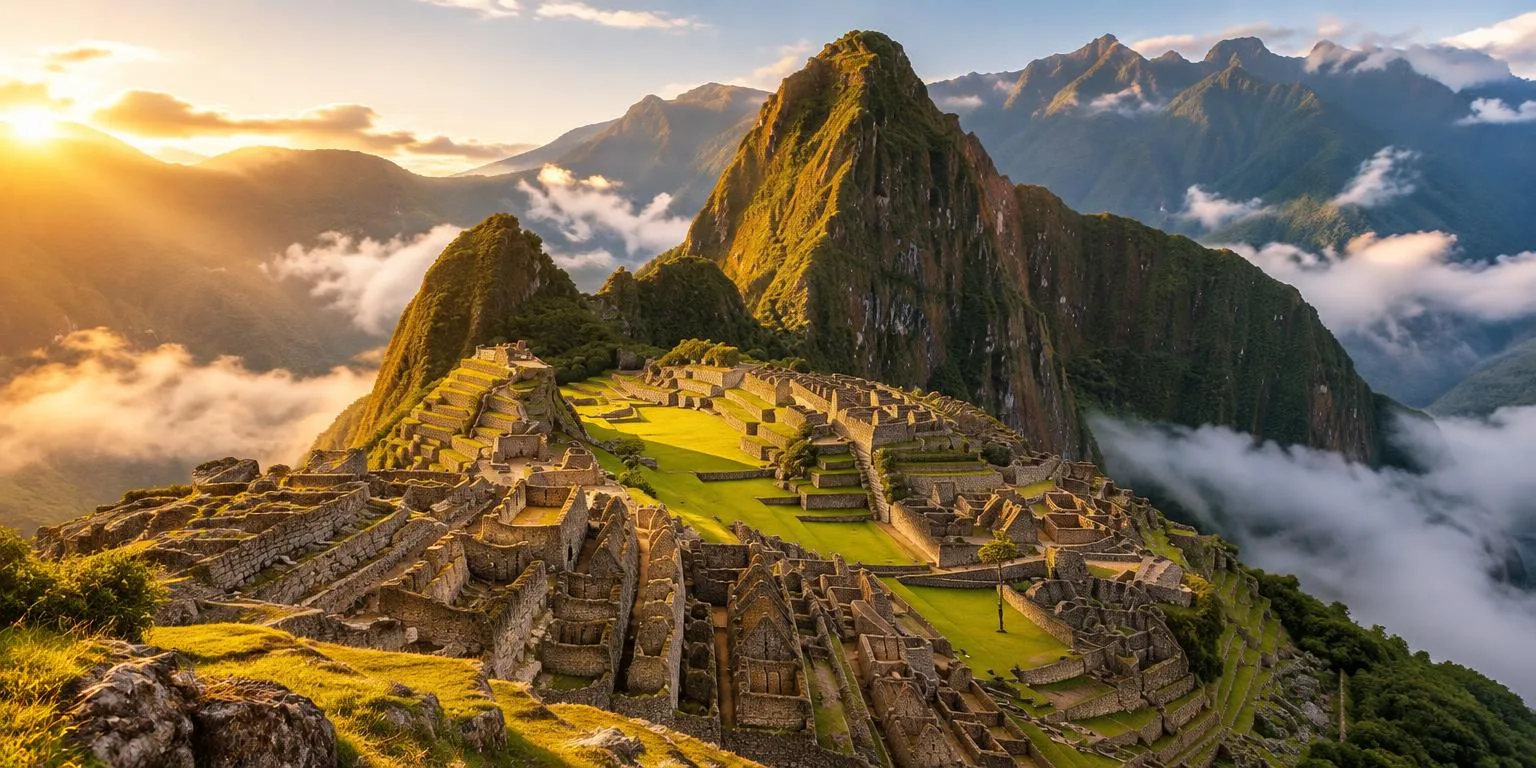
- Is Huayna Picchu worth the extra permit?
- If you're comfortable with steep, narrow stone steps and book several months ahead, the climb rewards you with the best aerial views over the citadel. If permits are gone or you prefer an easier walk, the Sun Gate trail gives wonderful views without the exposure — and costs nothing extra.